Barony Rosendal
15 min drive
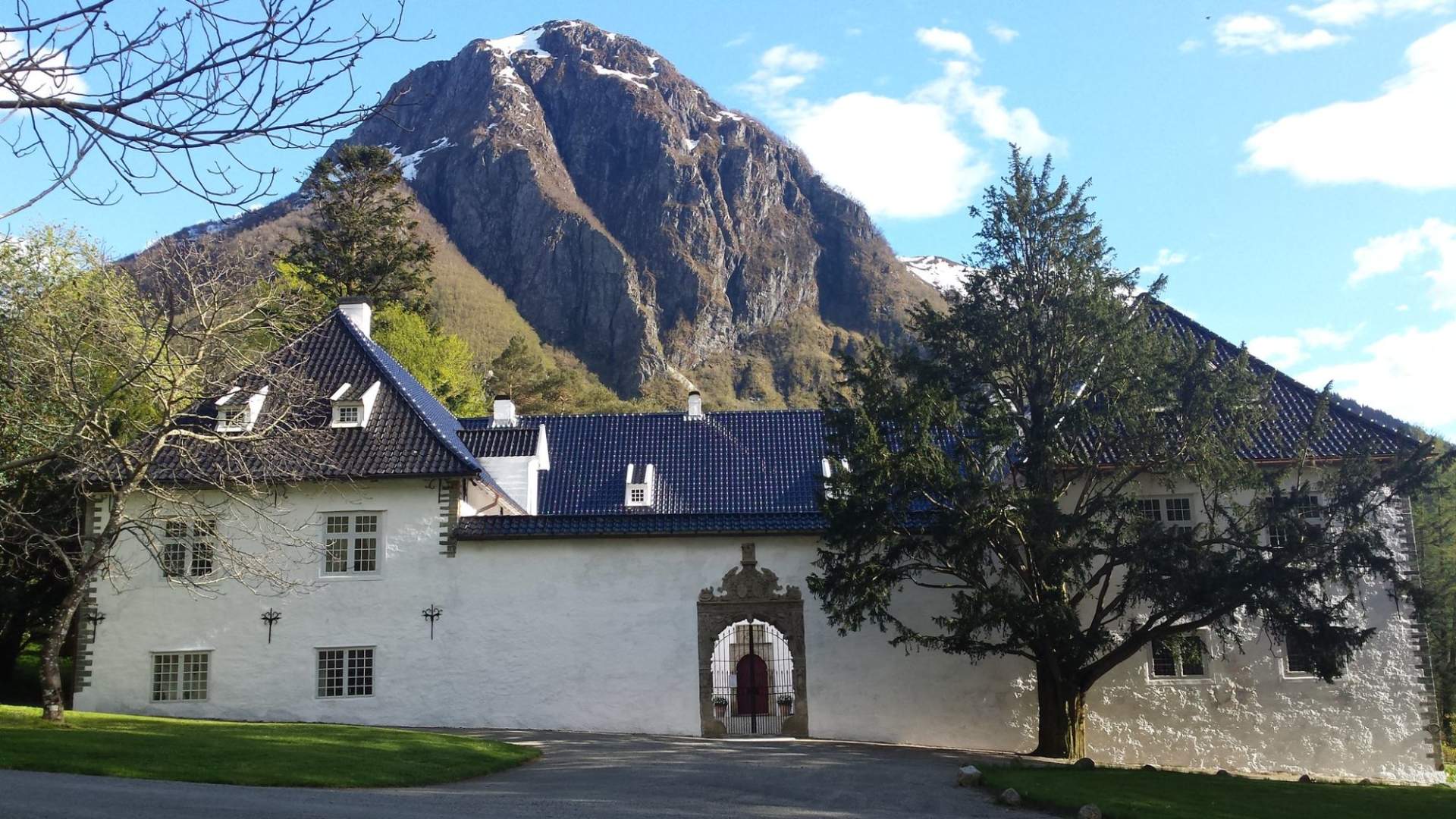
This 17th-century estate features a historic manor and a well-preserved rose garden that provides a calm cultural counterpoint to the rugged mountain terrain.

Folgefonna National Park sits on the Hardanger Peninsula, roughly two hours by road and ferry from Bergen. The journey involves planning around ferry schedules and mountain roads, and the park itself demands proper footwear and weather awareness. This guide covers what the trip delivers, what it requires, and whether the investment of time matches your expectations.
Quick answer
Is Bergen worth visiting for Folgefonna National Park? Yes, if you want accessible glacier terrain without extreme alpine routes. The park offers open glacier plateaus, marked trails, and no entrance fees, making it a practical day trip from Bergen for hikers prepared for variable weather. The two-hour drive includes a scenic ferry crossing, and early arrival between 08:00 and 12:00 provides the best daylight window for exploration before afternoon clouds settle over the ice.
Folgefonna National Park protects Norway's third-largest ice cap, a 200-square-kilometer expanse spread across three distinct glacier tongues. The park opened to unrestricted public access in 2005, and unlike many Norwegian glaciers that require guided ascents or technical equipment, Folgefonna's marked summer routes allow independent hikers to reach ice margins and viewpoints without ropes or crampons for introductory trails. Bergen serves as the primary gateway, positioned 90 kilometers northwest across Hardangerfjord. The route threads through Norheimsund, crosses by ferry from Jondal to Tørvikbygd, then climbs through Sundal valley to the park's northern access points near Rosendal. Ferry schedules govern departure windows, and summer sailings run every 30 to 60 minutes depending on the day. Road conditions shift with elevation—lower valleys stay ice-free year-round, but approach roads above 800 meters can hold snow patches into June. The question of whether Bergen is worth visiting Folgefonna hinges on trip priorities. The park rewards those seeking glacial landscapes without committing to multi-day treks or technical climbs. Trails range from 40-minute walks to glacier overlooks to five-hour crossings of the Bondhusbreen arm, where blue ice crevasses open during late summer melt. Weather dictates visibility—coastal low pressure frequently blankets the plateau in fog by early afternoon, erasing horizon lines and turning navigation unreliable. Clear mornings offer sharp contrasts between white ice fields and dark bedrock ridges, while overcast days muffle the scale. Practical considerations shape the experience. The park charges no entrance fees and maintains no staffed facilities—vault toilets and gravel parking areas mark trailheads, but no visitor center anchors the site. Mobile coverage fades above treeline. Waterproof layers and sturdy boots are non-negotiable, even in July. The surrounding Hardanger region extends the day trip value with orchard villages, the Hardangervidda plateau edge, and Steindalsfossen waterfall as supplementary stops on the return route. For travelers weighing a visit to Folgefonna from Bergen, the glacier's accessibility and lack of permit requirements make it a viable choice when weather forecasts align and the two-hour approach fits within a day's schedule.
“Folgefonna's marked summer routes allow independent hikers to reach ice margins and viewpoints without ropes or crampons for introductory trails.”
The most effective time to experience Folgefonna National Park is during the summer months of July and August, when trail accessibility is highest. Regardless of the season, maintaining the best arrival window of 08:00–12:00 ensures access to longer daylight hours and lower visitor density.
Mild temperatures 10°C to 18°C. Optimal conditions for high-altitude hiking and glacier access.
Variable 5°C to 12°C. Snow may persist on higher paths during early spring.
—. Early arrival avoids peak afternoon crowds and provides more daylight for mountain hiking.
Verdict: The best period for a visit is between July and August, arriving consistently within the 08:00–12:00 window.
Folgefonna National Park is situated in the Hardanger region, east of Bergen. Traveling to the area typically requires a combination of ferry and road transport, making a rental car or personal vehicle the most practical approach for reaching the glacier access points.
Route E39 and Fv48 via Tysnes to Rosendal
Express boat from Bergen Strandkaiterminal to Rosendal
Line 760 from Bergen to Rosendal
For the best experience, plan for an arrival between 08:00 and 12:00. Arriving early helps avoid peak afternoon crowds and ensures you have sufficient daylight for your journey into the park.
Access to Folgefonna National Park is open to the public without any cost. There are no entrance fees required to enter or explore the park.
Verdict: A typical adult pays 0 NOK, as there are no entrance fees charged for accessing the national park.
Folgefonna National Park is accessible to visitors at all hours throughout the week. The area remains open for public access every day.
Extending a trip from Bergen to Folgefonna allows for a more comprehensive exploration of the Hardanger region's cultural and natural landmarks. These sites provide historical context and contrasting geographical features that complement the glacier experience.
15 min drive
This 17th-century estate features a historic manor and a well-preserved rose garden that provides a calm cultural counterpoint to the rugged mountain terrain.
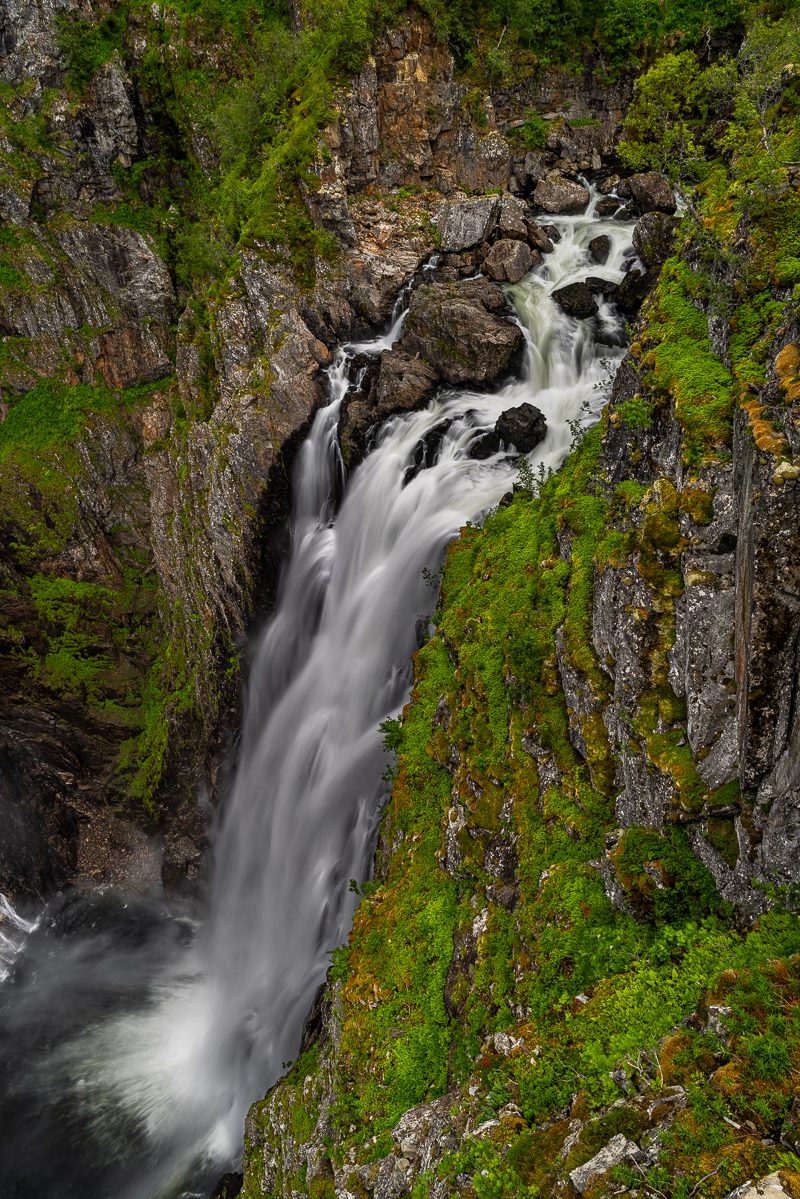
2.5 hour drive
As one of Norway's most famous waterfalls, this site offers a dramatic vertical landscape that contrasts with the expansive plateau of the national park.
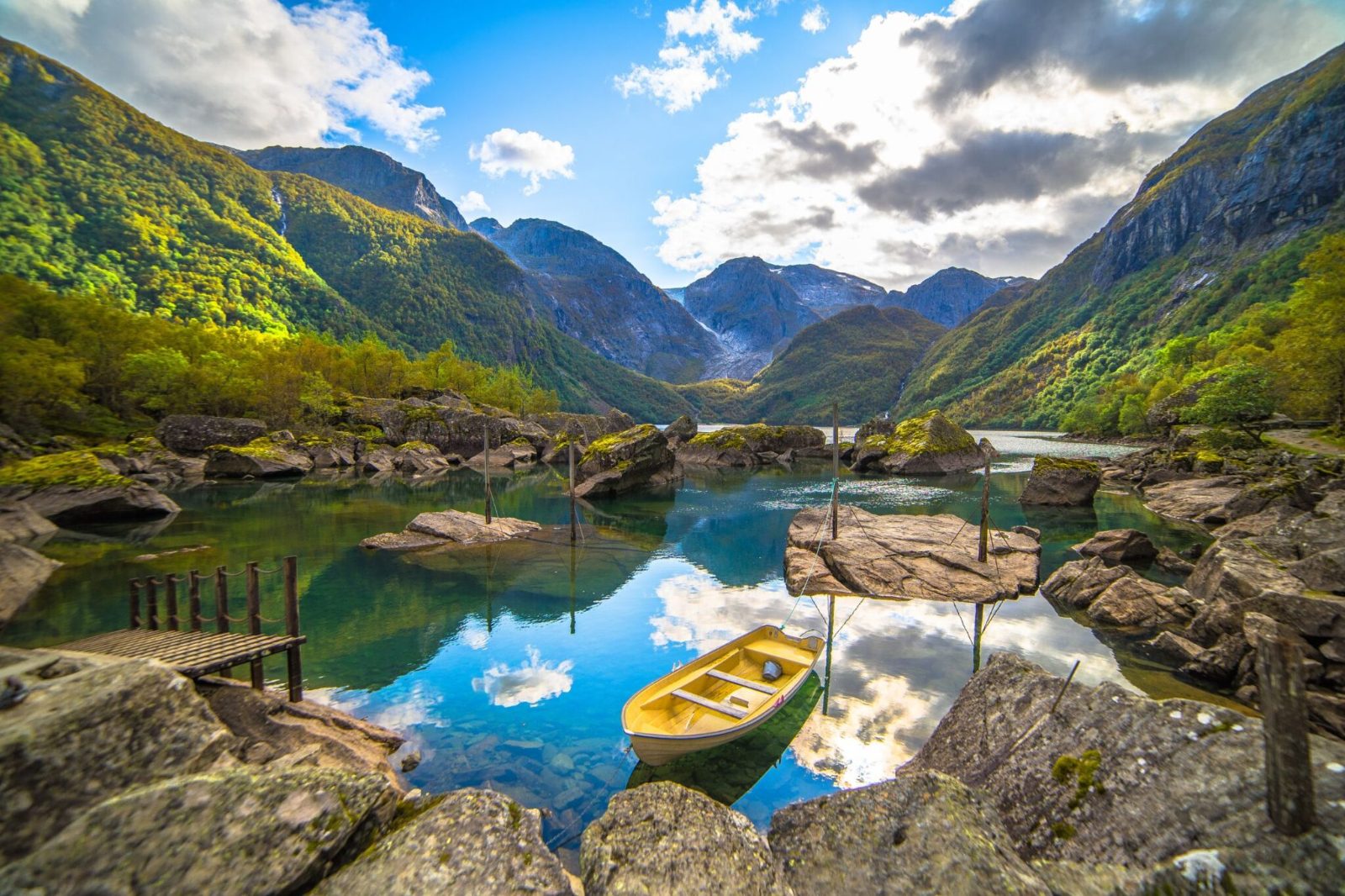
45 min drive
Located near the park, this glacial lake offers a gentle hiking alternative with views of the Bondhusbreen glacier arm flowing from the main ice cap.
Everything you need to know about is bergen worth visiting
Bergen serves as a prime gateway to the Hardanger region, making it an excellent base for those who enjoy fjords and mountain landscapes. Many travelers find that is bergen worth visiting when they combine urban culture with excursions to nearby wilderness areas. The city provides convenient access to the regional transport network required to reach the park.
Reaching the national park from the city typically involves a combination of ferry and road transport through the Hardangerfjord area. Visitors should check local transit schedules as is bergen worth visiting for its logistical connectivity to Western Norway. Detailed directions are available in our dedicated transit section.
For outdoor enthusiasts, the question of is bergen worth visiting is often answered by the proximity of high-altitude trails and ice-cap views. The park offers varied terrain that suits different skill levels for those looking to explore beyond the city limits. Please ensure you have appropriate gear for alpine weather conditions.
There is 0 NOK entrance fee for Folgefonna National Park as it is a public nature preserve. Access is entirely free for all visitors throughout the year. You can find more details regarding this in the pricing section.
Summer offers the most favorable conditions for hiking the glacial plateaus and enjoying the surrounding flora. When considering if is bergen worth visiting during this season, keep in mind that daylight lasts significantly longer for mountain exploration. This time of year allows for a full immersion in the landscape.
The best arrival window is 08:00–12:00 to avoid peak afternoon crowds and ensure sufficient daylight for your hike. Arriving early provides a quieter experience on the trails and better conditions for photography. Always prioritize early transit departures to stay within this recommended timeframe.
The park offers a unique opportunity to view massive glacial formations compared to other regional landmarks. While Bergen provides a historic urban experience, the contrast with the raw, icy environment of the national park creates a balanced itinerary. Many visitors appreciate the diversity of experiences available in this part of Norway.