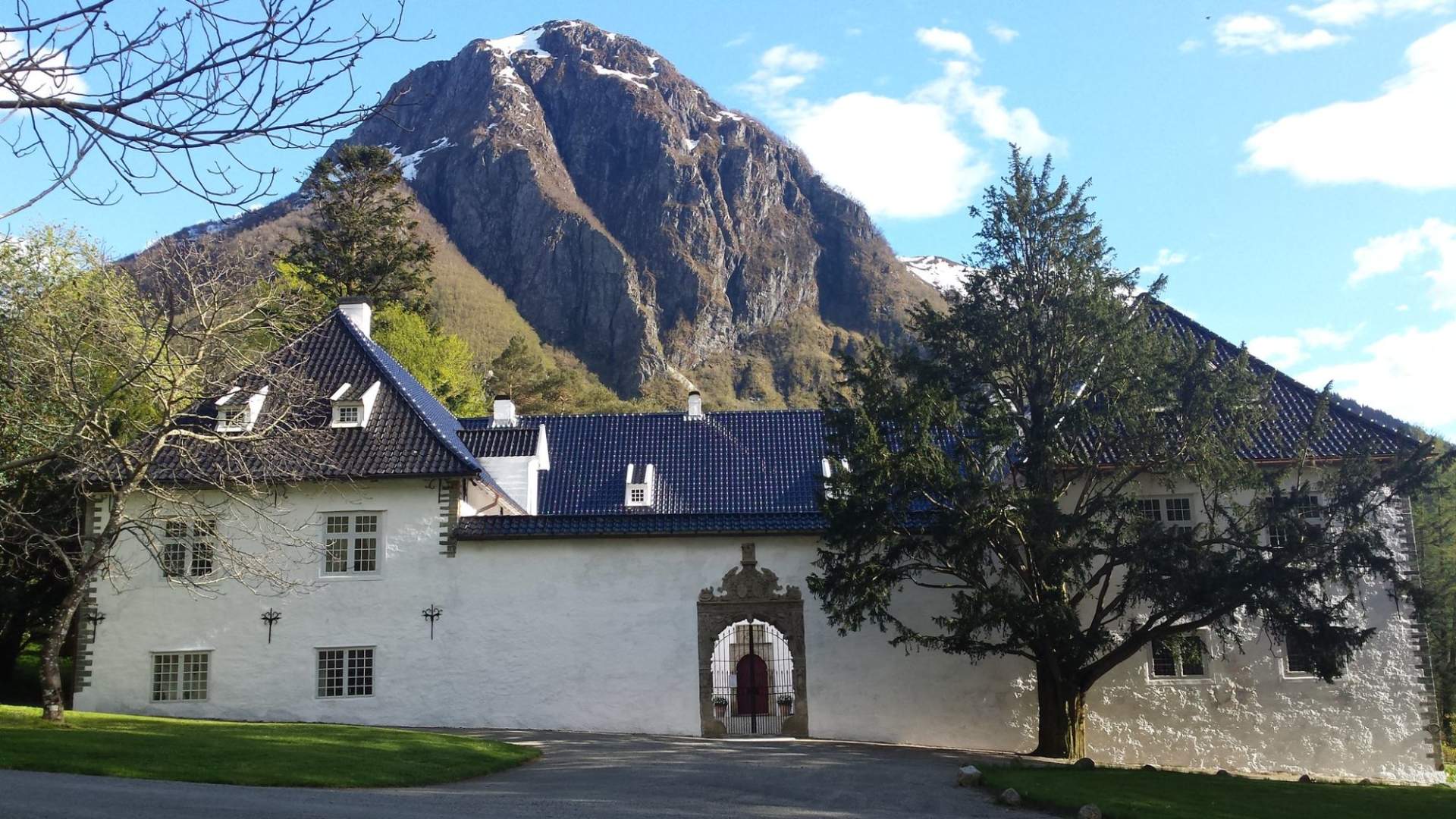
Barony Rosendal
10 min drive
This 17th-century manor is known for its extensive rose garden and historical architecture, offering a cultural contrast to the wilderness of the national park.

Folgefonna National Park sits on the Folgefonna peninsula in Hardanger, roughly 100 kilometers southeast of Bergen. Reaching the park requires a combination of road travel and ferry crossings through the Hardangerfjord system. The journey takes between two and three hours depending on your route and ferry connections.
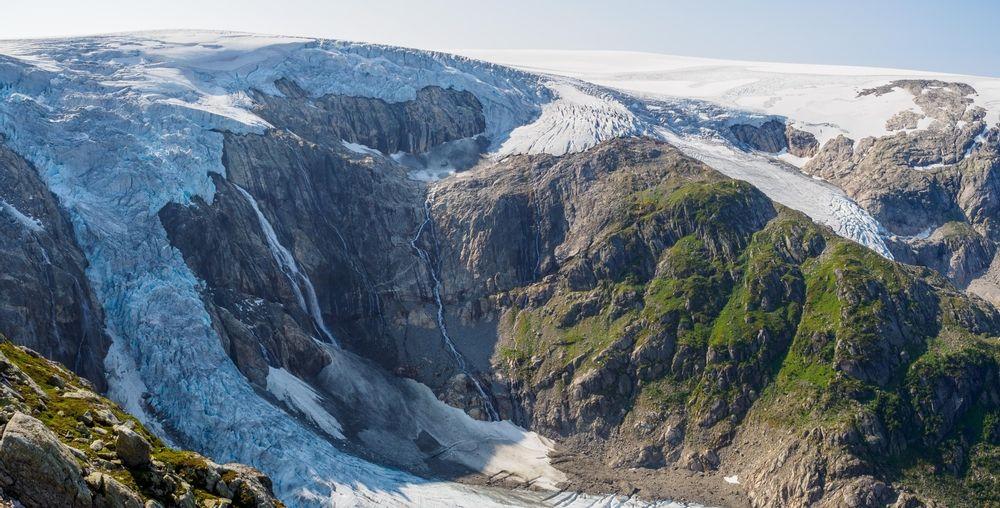
Quick answer
To reach Folgefonna National Park from Bergen, take Route E39 south toward Våge, then ferry from Hodnanes to Jektavik, followed by Route 550 to Rosendal (2 hours 15 minutes total). Alternatively, drive Route E134 via Trengereid with ferry crossings at Halhjem-Sandvikvåg and Jondal-Tørvikbygd (2 hours 45 minutes). Express buses run daily from Bergen bus station to Rosendal village at the park entrance.
Folgefonna National Park protects the third-largest ice cap on mainland Norway, yet no road crosses the peninsula that bears its name. Every land approach requires navigating the Hardangerfjord system, where narrow straits and steep valley walls force travelers onto one of several ferry routes that have served these communities for centuries. The most direct route follows E39 south from Bergen through Nordheimsund, then picks up the Hodnanes-Jektavik ferry across Kvinnheradsfjorden. This fifteen-minute crossing deposits vehicles at Jektavik on the Folgefonna peninsula, where Route 550 climbs through coastal forest to Rosendal village at 5470 Rosendal, Norway—the park's primary trailhead settlement. Ferry departures run hourly during daylight, less frequently in early morning and evening. The entire journey from central Bergen covers roughly 110 kilometers and requires two hours fifteen minutes under normal conditions. Travelers without private vehicles can board Skyss express buses departing Bergen bus station for Rosendal several times daily. The coach follows the same ferry-linked route, with the operator coordinating schedules to minimize transfer waits. Tickets cover both bus segments and the ferry crossing. The alternative driving route via E134 and Jondal adds thirty minutes but offers access to eastern park trailheads near Sundal, where hikers approach Folgefonna's less-visited tongues. This path requires two separate ferry crossings—Halhjem to Sandvikvåg, then Jondal to Tørvikbygd—before joining Route 550 westbound. Rosendal functions as the logistics hub for glacier access. The village maintains the park's information center at +47 53 48 42 80, fuel stations, and the last supermarket before wilderness trailheads. Most visitors use Rosendal as a base for day hikes onto the ice cap's outlet glaciers, though the national park itself—designated in 2005 to protect 545 square kilometers of alpine and glacial ecosystems—extends far beyond any single access point. Summer months see guided glacier walks departing from Buerbreen and Bondhusbreen, the two outlet tongues closest to paved roads. The Hardangerfjord region experiences microclimates shaped by its fjord geography. Coastal Rosendal receives moderate maritime weather year-round, while the ice cap above generates its own wind patterns and sudden weather shifts. Road conditions on Route 550's higher sections can deteriorate rapidly during spring melt or autumn storms, occasionally forcing temporary closures that strand travelers on the peninsula until ferry schedules resume.
“No road crosses the Folgefonna peninsula—every approach requires navigating the Hardangerfjord ferry system that has linked these valleys for centuries.”
Folgefonna National Park is situated on the Folgefonna peninsula in Hardanger, accessible from Bergen primarily via a combination of driving and ferry crossings. The route typically involves following E39 and E16 towards the Hardangerfjord region.
E39 south to Halhjem, ferry to Sandvikvåg, then E39/Fv48 and Fv551 towards Rosendal
NOR-WAY Bussekspress from Bergen bus station to Rosendal
Hardangerfjord Express (Rødne) from Strandkaiterminalen to Rosendal
For those driving, check the ferry schedule between Halhjem and Sandvikvåg in advance to ensure smooth transitions between road segments. Upon reaching the Rosendal area, local signage provides directions to the primary trailheads of Folgefonna National Park.
The period from late June to August offers the most reliable conditions for accessing the high-altitude terrain of Folgefonna National Park. While the area remains accessible throughout the year, seasonal snowmelt and road conditions significantly dictate safety and navigation during other months.
Mild temperatures, 8°C to 16°C
Trails are clear of snow and daylight hours are longest.
Cooler, 5°C to 12°C
Conditions are stable before early snowfall arrives.
Cold with heavy snow, -10°C to 5°C
High-altitude hiking requires specialized winter equipment and experience.
Verdict: The optimal window for standard hiking access is July and August when snow has receded from the primary mountain paths.
Folgefonna National Park is a natural wilderness area accessible to visitors throughout the week. The park remains open daily for public access.
Visitors exploring the area around Folgefonna National Park often combine their trip with historical and natural sites located in the nearby village of Rosendal. These locations provide additional context to the fjord landscape and regional history.
10 min drive
This 17th-century manor is known for its extensive rose garden and historical architecture, offering a cultural contrast to the wilderness of the national park.
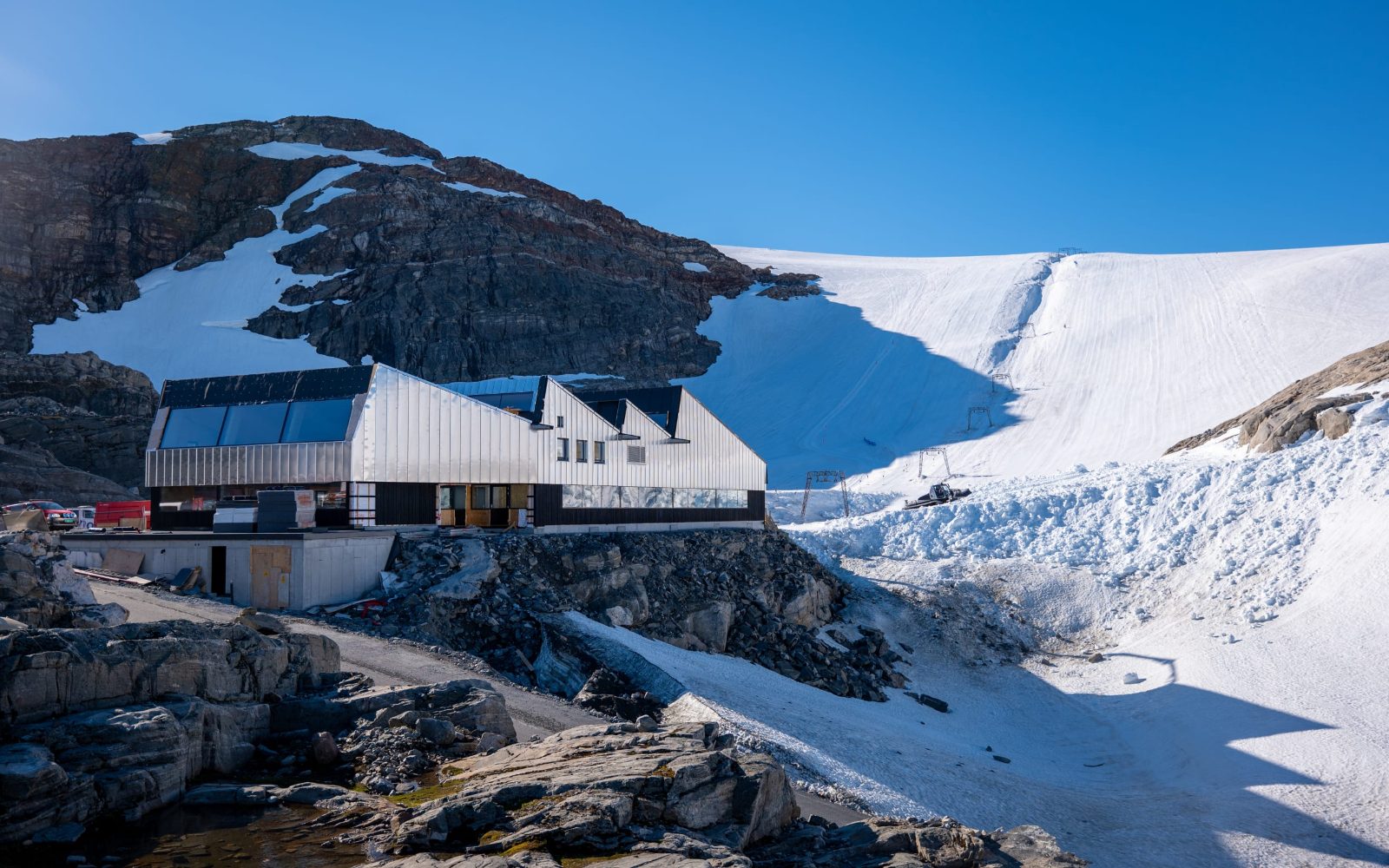
5 min drive
Located in Rosendal, this center provides detailed information on the glacier and local geology, serving as a practical starting point before heading into the mountains.
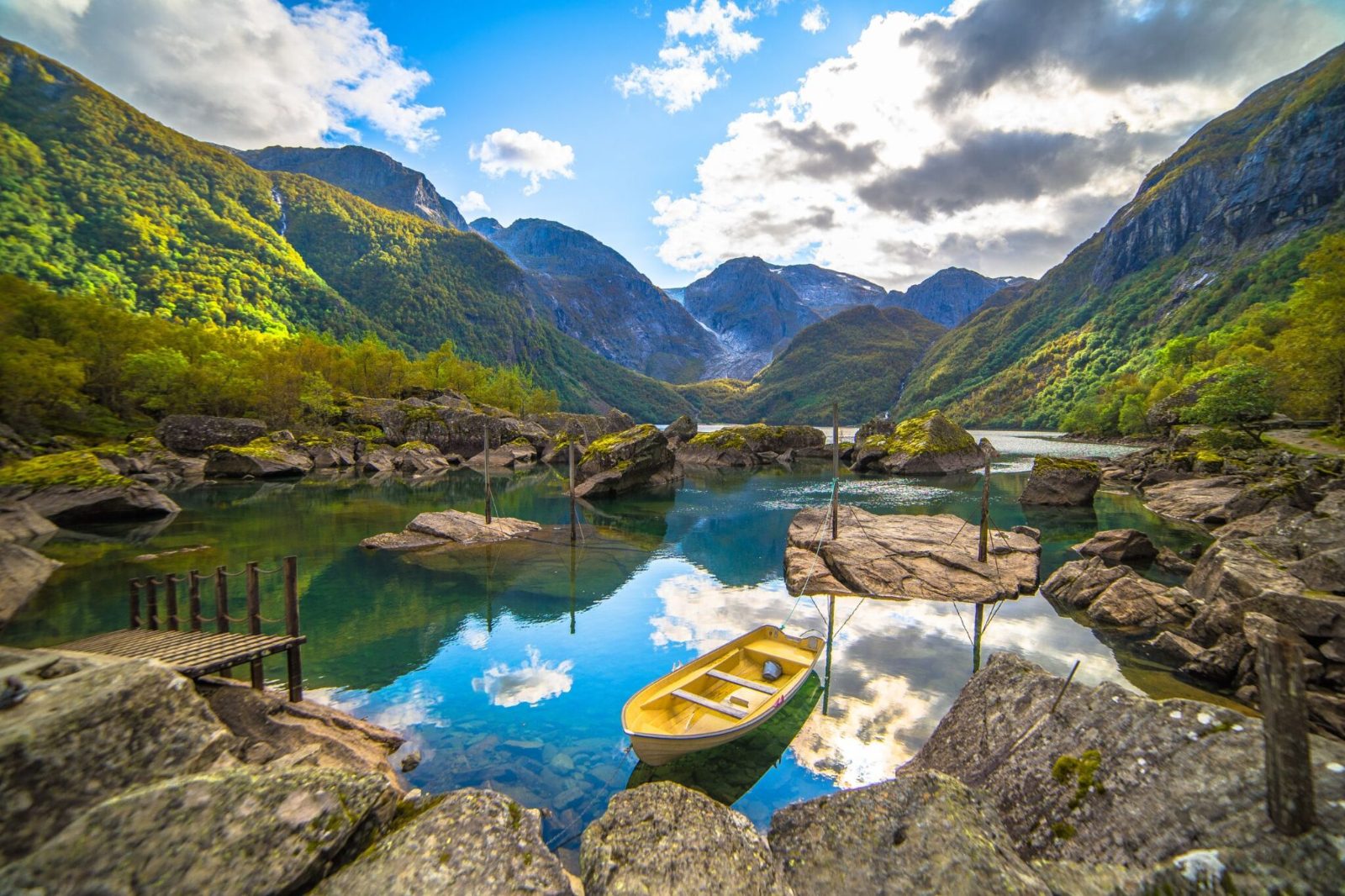
45 min drive and hike
This glacial lake features views of the Bondhusbreen glacier arm and is accessible via a marked trail, complementing a visit to the larger national park area.
Folgefonna National Park is a remote mountain wilderness that demands proper preparation for safe travel.
Everything you need to know about how to get to fjords from bergen
To learn how to get to fjords from Bergen, you should look into regional bus services or rental car routes leading toward Rosendal. Many travelers combine these transport methods to explore the Hardangerfjord region efficiently.
Planning a trip from Bergen to a glacier is straightforward when using local transit hubs as your base. Navigating how to get to fjords from Bergen involves scenic road travel and potential ferry crossings across the water.
Taking a scenic drive is often considered the most flexible option for those researching how to get to fjords from Bergen. This allows you to stop at key viewpoints along the coast and mountain passes before arriving at the park.
The entrance fee is 0 NOK as there are no entrance fees for the national park. You have free access to explore the natural wilderness area at your convenience.
The park is a natural wilderness area accessible 24/7, making the best arrival window 00:00–23:59 every day. This flexibility helps when coordinating how to get to fjords from Bergen on your own schedule.
Visitors should ensure they have proper hiking gear for the terrain and check local weather forecasts before departure. Once you arrive at the address of Folgefonna National Park, 5470 Rosendal, you are free to explore the marked trails.