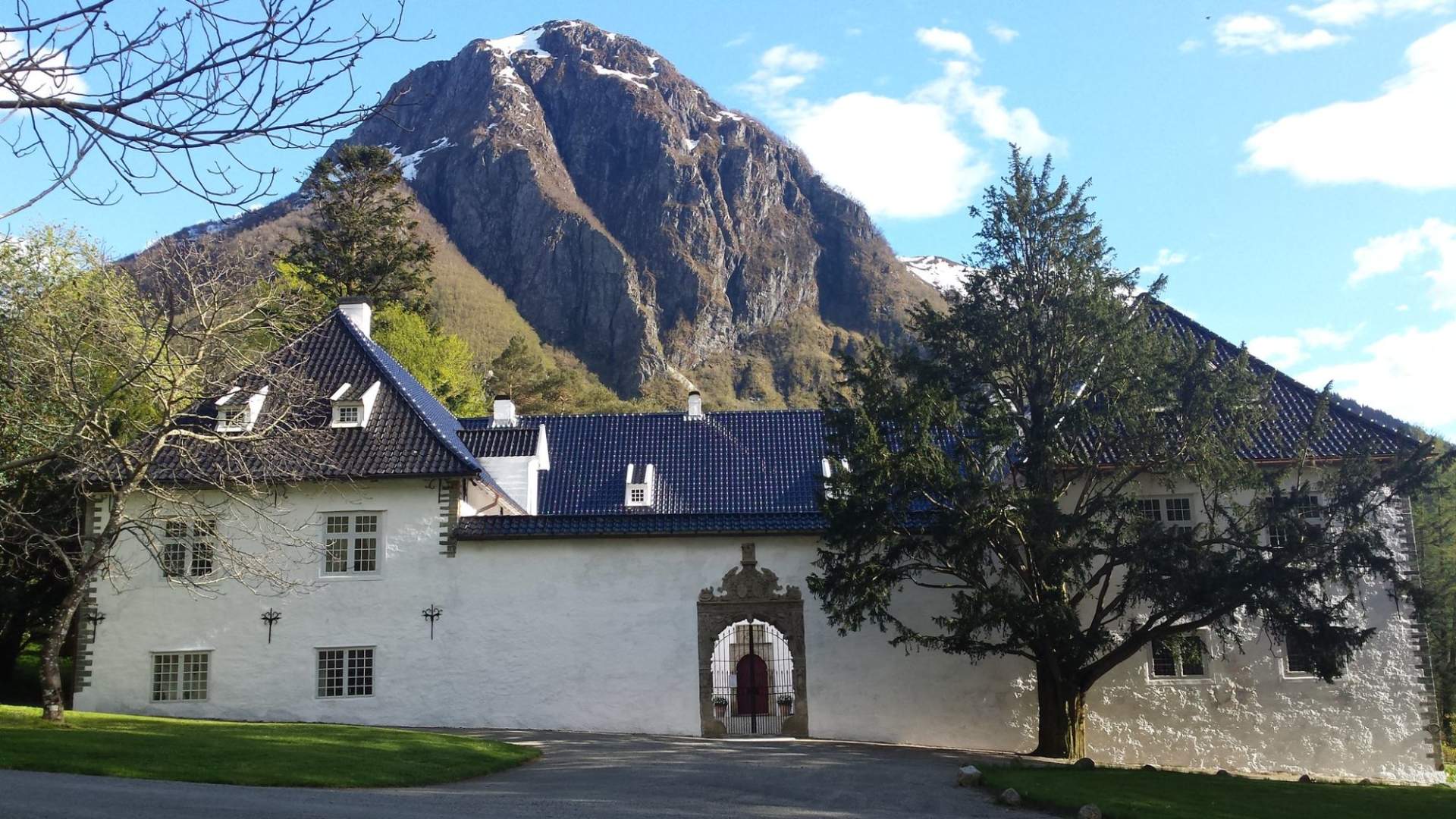
Barony Rosendal
10 min drive
This 17th-century manor is located near the park entrance and features historical architecture and botanical gardens. It provides a cultural contrast to the rugged terrain of the national park.

Sognefjord and Bergen anchor opposite ends of western Norway's fjord region, separated by geography that shapes every itinerary through the country. Understanding the distance between these two landmarks—and the terrain between them—determines whether you dedicate one day or three to the journey.
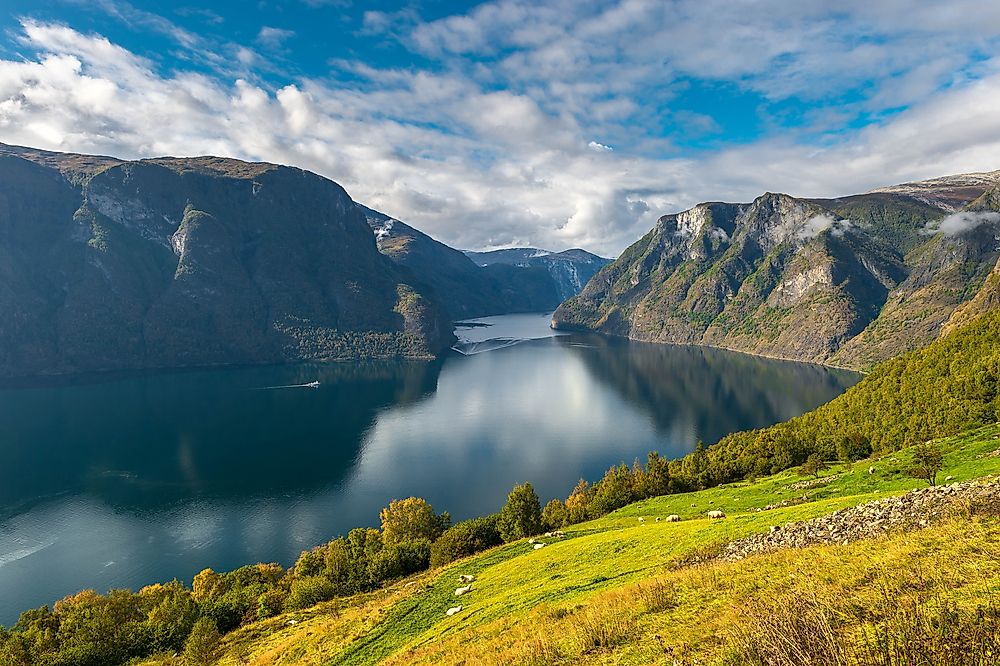
Quick answer
Sognefjord lies approximately 140 kilometers north of Bergen by direct line, but road and ferry routes stretch the journey to 200–240 kilometers depending on which arm of the fjord you target. Driving to Flåm, the most visited village on Sognefjord's inner reaches, takes 2.5 to 3 hours via E16 and requires one ferry crossing. Reaching Balestrand or other settlements on the northern shore adds another hour and a second ferry.
Sognefjord holds the title of Norway's longest and deepest fjord, carving 205 kilometers inland from the coastal archipelago north of Bergen. The two waterways occupy separate drainage basins, divided by the Hardangervidda plateau and a network of valleys that force surface travel into a zigzag rather than a straight shot. No bridge spans the gap; every route combines asphalt with at least one ferry segment. The Bergen to Sognefjord distance calculation shifts depending on destination. Flåm, the gateway to Nærøyfjord and the famously steep Flåm Railway, sits roughly 165 kilometers from Bergen's city center when measured by the E16 highway through Voss and the Gudvangen ferry. That route threads through the mountains via a series of tunnels, including the 11-kilometer Gudvangen tunnel, before depositing travelers at the ferry dock for the 20-minute crossing to Kaupanger. From Kaupanger, a short drive east reaches Flåm. Travelers heading to Balestrand or Sogndal on the northern shore face a longer commitment—often 4 to 5 hours total—because those towns require a second ferry crossing from either Dragsvik or Vangsnes. Folgefonna National Park, which protects Norway's third-largest ice cap on the Hardanger plateau south of Bergen, sits roughly 120 kilometers from the city and forms a southern counterpoint to Sognefjord's northern position. Visitors attempting a Bergen to Sognefjord journey often debate whether to combine the two in a single sweep or treat them as separate expeditions. The answer hinges on time and tolerance for long drives. A dedicated Sognefjord day trip from Bergen is feasible but exhausting, leaving minimal time for hiking or village exploration once you arrive. Splitting the journey with an overnight in Voss or Flåm transforms the logistics into a more manageable rhythm and allows for proper immersion in both landscapes. The fjord walls themselves rise over 1,000 meters in places, and the inner arms—Nærøyfjord and Aurlandsfjord—carry UNESCO World Heritage status for their near-vertical cliffs and untouched villages. Summer brings near-constant daylight and crowded ferries; early June and late August offer a middle ground between weather reliability and thinner crowds. Winter access remains possible but snow chains and flexible schedules become non-negotiable, and several mountain passes close entirely between November and April.
“No bridge spans the gap between Bergen and Sognefjord; every route combines asphalt with at least one ferry segment.”
Sognefjord and Folgefonna National Park are distinct geographical destinations; Sognefjord lies north of Bergen, while Folgefonna is located to the southeast. Traveling from Bergen to the Folgefonna National Park area in Rosendal typically involves a combination of road and ferry travel.
E39 and RV48 via Gjermundshamn–Varaldsøy ferry
Line 760 from Bergen Bus Station to Rosendal
Hardangerfjord Express (Rødne) from Bergen to Rosendal
Early arrival provides better light and avoids peak midday crowds on popular hiking trails. We recommend planning your arrival between 06:00–10:00 to ensure adequate time for exploration.
The period from late June to August offers the most reliable trail access for exploring the park while navigating distances between regional fjords. Visitors should plan for the best arrival window of 06:00–10:00 to maximize daylight and avoid peak traffic on popular routes.
Mild 10°C to 18°C
Long daylight hours allow for extended hiking and clearer navigation through mountain terrain.
Cool 5°C to 12°C
Daylight decreases significantly, but the trails remain accessible with appropriate gear.
—
Early arrival between 06:00–10:00 provides better light and avoids peak midday crowds on popular hiking trails.
Verdict: The best time to visit is during the summer months of July or August, arriving between 06:00 and 10:00 to secure parking and trail space.
Access to Folgefonna National Park is open to the public without charge. Please note that while park entry is free, third-party guided tours or private transportation services will incur separate costs.
Verdict: A typical adult pays 0 NOK for park entry, though expenses will arise if you choose to book private guided services.
While Sognefjord requires a separate journey north from Bergen, the area surrounding Folgefonna National Park offers distinct attractions accessible from your base in Rosendal. These sites complement a visit to the glacier by focusing on the cultural and natural heritage of the Hardangerfjord region.
10 min drive
This 17th-century manor is located near the park entrance and features historical architecture and botanical gardens. It provides a cultural contrast to the rugged terrain of the national park.
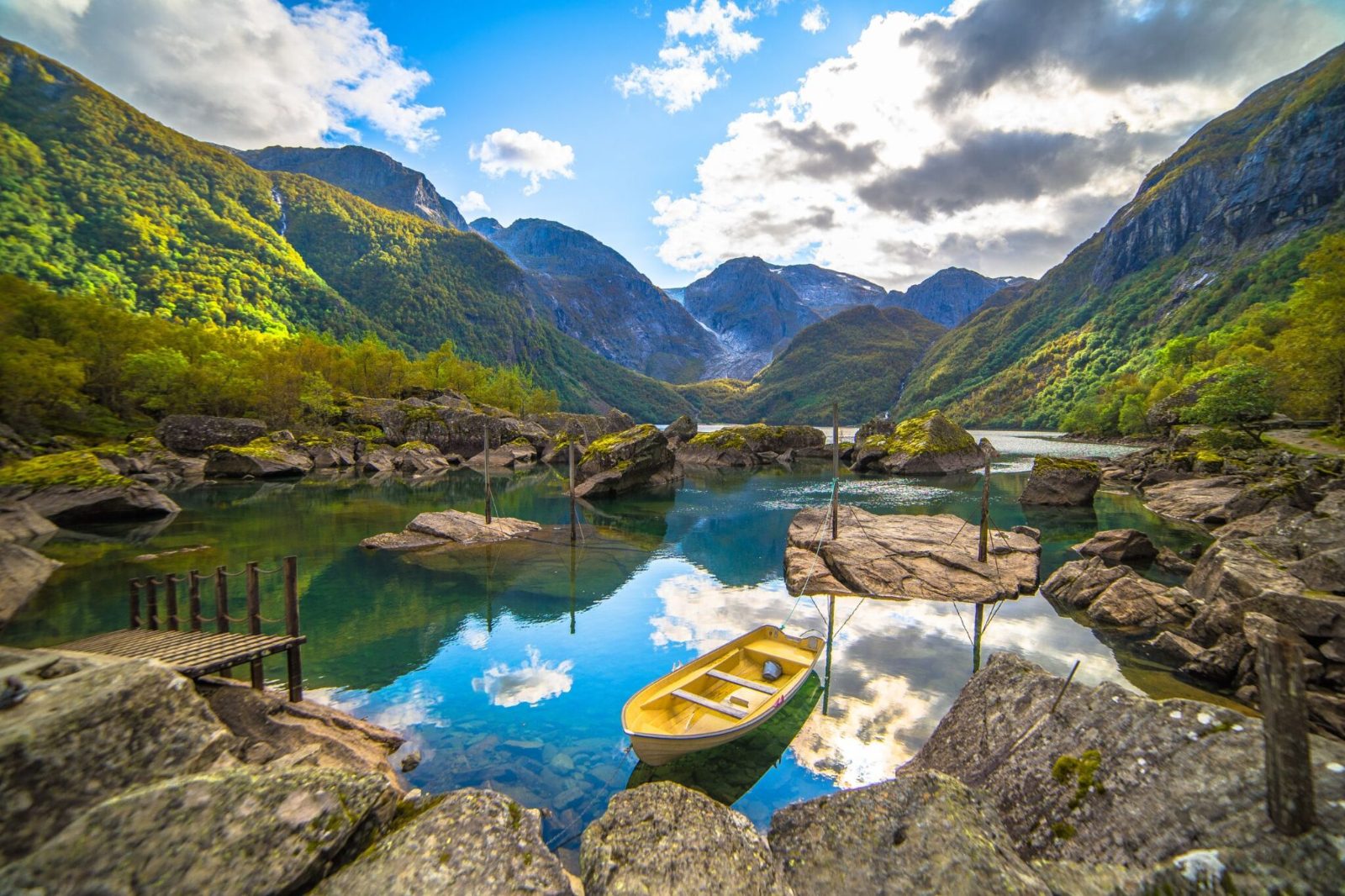
25 min drive
This glacier lake is reached via a accessible trail that offers a clear view of the Bondhusbreen glacier arm. It pairs well with a national park visit for those interested in seeing glacial runoff up close.
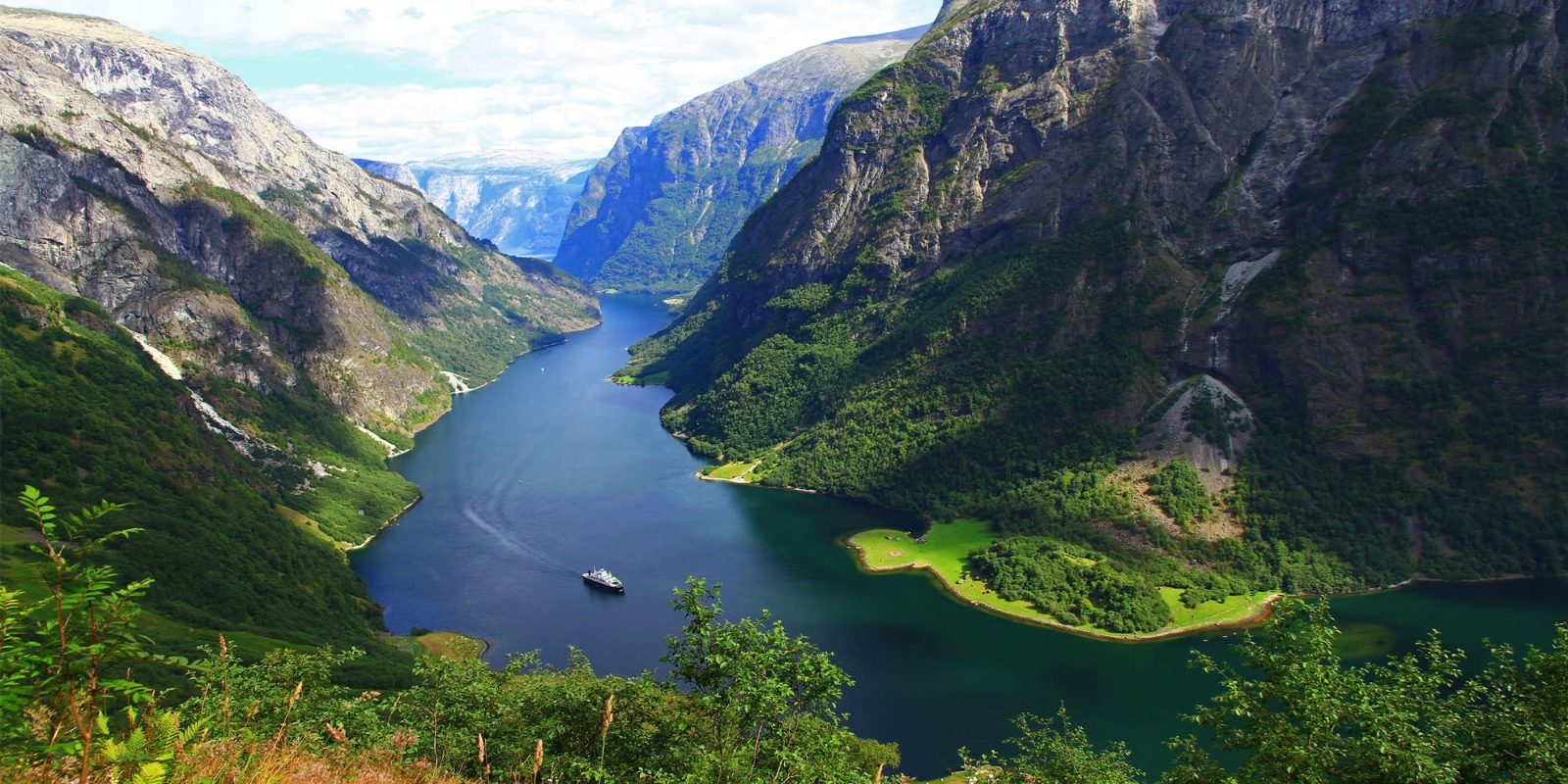
5 min drive
The main fjord artery serves as the primary route for reaching the national park. Taking time to explore the coastline provides context for the water systems that shape the local geography.
Everything you need to know about how far is sognefjord from bergen
The distance between Bergen and Sognefjord varies by destination, but it is typically a 2- to 3-hour journey by road or ferry. If you are researching how far is sognefjord from bergen, note that the Sognefjord is located north of the city. Folgefonna National Park is situated in a different direction, south of the city, so you should plan your itinerary accordingly. While many travelers ask how far is sognefjord from bergen, keep in mind that exploring the Hardangerfjord area is more practical if your base is Folgefonna. When planning how far is sognefjord from bergen, remember that travel times fluctuate based on ferry schedules and mountain pass conditions. Many local operators offer excursions to major Western Norway landmarks from the city center. There is 0 NOK entrance fee for the national park, as it is open to the public free of charge. We recommend arriving between 06:00 and 10:00 to enjoy the best lighting conditions and smaller crowds. You can enjoy hiking during the summer months, provided you follow marked trails and safety guidelines for glacier areas.